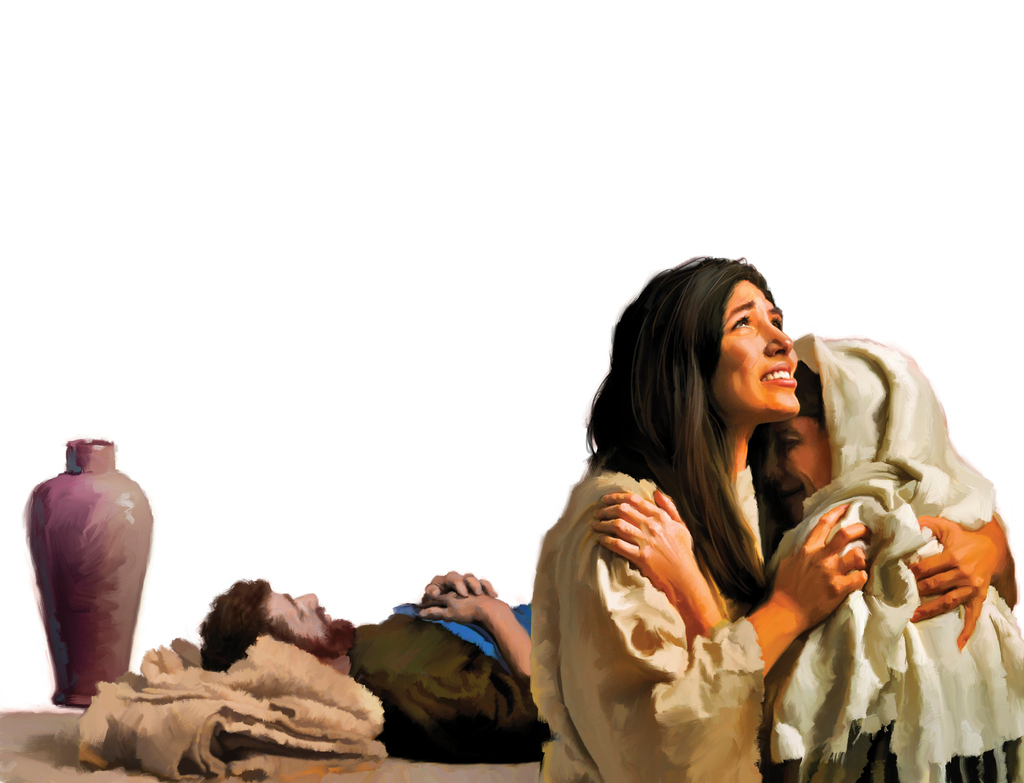
Mary and Martha, grieving the death of their brother Lazarus (Image courtesy of GoodSalt.com)
This weekend, we hear the second-most-famous story about Martha and Mary in the Scriptures. The death and raising of Lazarus is a pivotal point in the events leading up to Holy Week—one of the key “signs” shared by John in his Gospel. But for the grieving sisters, time would have flowed differently.
I’m grateful for the chace to write about about this for the Catholic Preaching Institute’s “From the Pew” reflection. If you are (or have ever been) stuck in the raw space between grief and hope, this one’s for you!
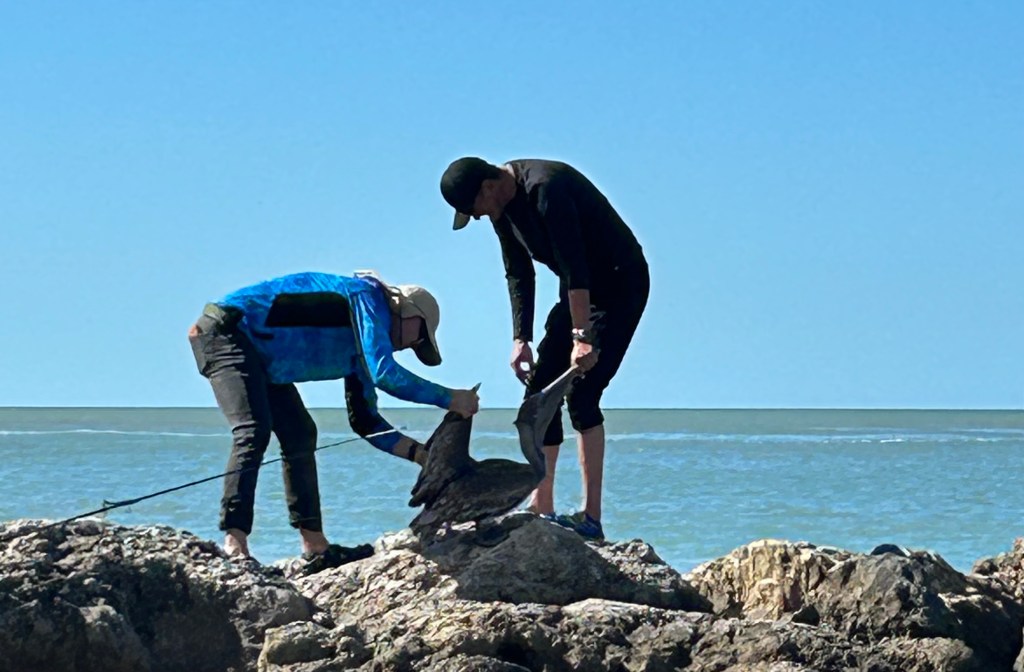
“There’s something wrong with that pelican,” I said. My husband and his brother and I had just completed half of an annual tradition: a Thanksgiving weekend beach walk on Marco Island, FL. We’d just reached the southern tip of the island and were preparing to turn around when I spotted the bird.
It had landed in a crevice between rocks on the jetty, presumably pursuing prey, but then it kept hanging out there in a most un-pelican-like fashion. Maybe it was just resting? (Porter and I did once see a hummingbird–one of those those masters of perpetual motion–sit in a tree for several minutes!) But then the pelican raised its wings as though intending to fly, yet did not achieve liftoff. It settled back down, tried again a minute later, and a minute after that. Something was definitely wrong.
I didn’t know which direction the tide was headed, but if nothing changed, eventually the water would be over the bird’s head. I kept hoping someone would notice . . . the man fishing off the end of the jetty, perhaps, or the woman collecting shells at the water’s edge. But the pelican was camouflaged, brown against brown, and each person walked away, unseeing.
Finally, another man and woman picked their way across the rocks, fishing poles in hand, and the pelican’s struggle caught the woman’s attention. She called her partner over, and together they snapped into action. He reached down and grabbed the end of the creature’s long, prehistoric beak, holding it firmly shut, while she pulled a knife from her pocket and went to work on the fishing line that had entangled the bird.
It wasn’t quick; the pelican’s thrashing had only made matters worse. But she kept at it, patiently, and the bird submitted to her care. Once they were satisfied that no strands remained, the man let go and the bird flew off, to applause from the small crowd that had gathered to watch.
The pelican landed in the water just a few yards away and remained there. Was it injured? Periodically, it gave a big flap of its wings without gaining altitude. Maybe the formerly trapped wing was damaged. Perhaps the bird was waterlogged from its captivity in the crevice, or maybe it was just stunned, trying to get its bearings. It really was time for us to turn around, but I couldn’t stop watching.
You know the story has a happy ending, right? Eventually, with a few strong flaps, the pelican lifted out of the water and flew an enormous test-circle, practically buzzing its rescuers as it passed the jetty. They noticed, and pointed, and the beachgoers cheered again.
The story didn’t stop with the rescue, though. As the pelican floated there, gathering strength, the couple was gathering all the old fishing line they could find among the rocks, eventually amassing armloads. It wasn’t their mess, but they cleaned it up anyway.
It wasn’t their mess, but they cleaned it up anyway.
These days, when so much of the news makes us heartsick (yet unable to look away), what a relief to witness a reminder of the basic goodness of humanity.
This is the point in a blog post where I’d ordinarily launch into a little lesson. I’d unpack the pelican story, musing about our Advent call to be attentive, perhaps, or to help others with the gifts and skills God has given us, or to care for creation, or to leave a place better than we found it. But honestly, I think this story speaks for itself.
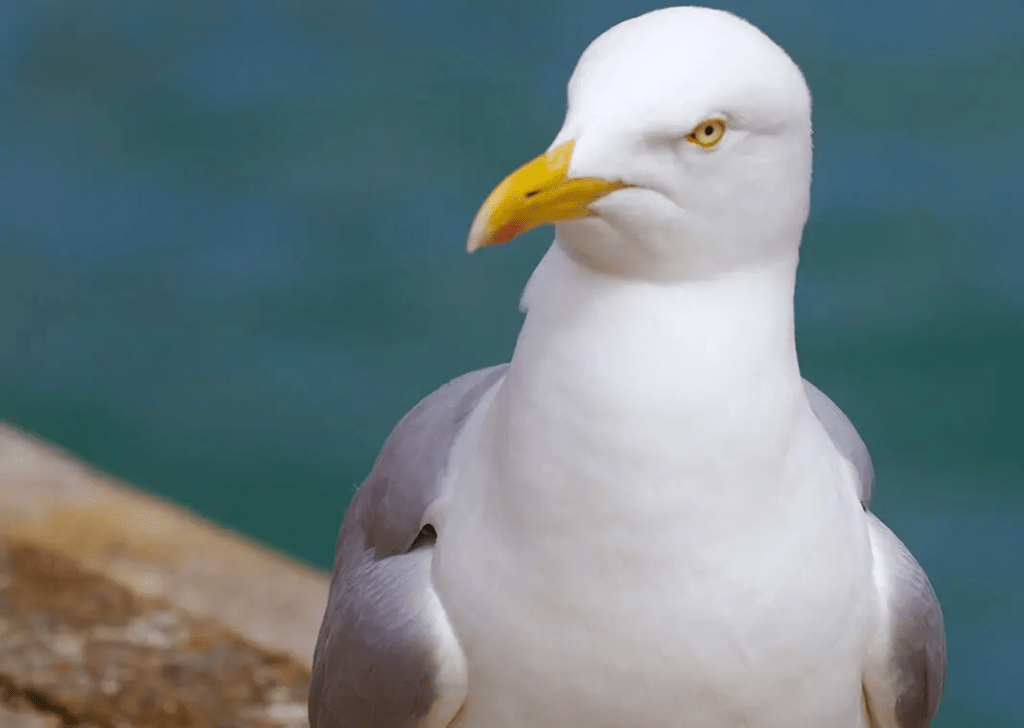
More importantly, Eric Clayton has already written that essay, in a beautiful post from Ireland called “The Man Who Untangles Seagulls.” Different coast, different bird, but a similar (amateur) rescue, which led Eric to muse about our call to show up in the moment and respond as best we’re able. Click the image below to read it!
‘Tis the season . . . for curated book lists! Here’s my quirky annual contribution, with just two rules: I have to 1) genuinely like the book and 2) know the author personally (enough to have had a conversation).
If you’re shopping online (I’m looking at you, Cyber Monday), I beg of you,GET NOT YOUR BOOKS FROM AMAZON. Local independent bookstores need our December dollars! If you don’t have one near you, try Bookshop.org, where you can indicate which local indie your purchase will support, or Barnes & Noble, a bona fide brick-and-mortar chain.
And if you want to gift any of my books for Christmas, just email me and I’ll move heaven and earth to get personalized, signed copies to you or your chosen recipients.
Enough said. Here’s the 2025 edition of Books I Love by People I Love:
Lilli de Jong: A Novel, by Janet Benton Janet is a Philadelphia-based writing coach. Her debut novel, set among Quakers in Germantown in the late 1800’s, follows the travails of an unwed mother forced to make her way in the world in the face of heartbreaking poverty and prejudice. GIFT THIS TO anyone who enjoys a compelling, immersive read.
If I Loved You, I Would Tell You This, Short Stories by Robin Black Robin is a local author I met years ago when Lynn Rosen hosted a discussion of Robin’s novel Life Drawing (which I also recommend). Wanting to read more, I discovered her marvelous book of short stories. Fun fact: last year, I ran into Robin at an Authors Guild happy hour and fan-girled her so hard it might have freaked her out a bit. GIFT THIS TO anyone who needs their exquisite writing in small doses.
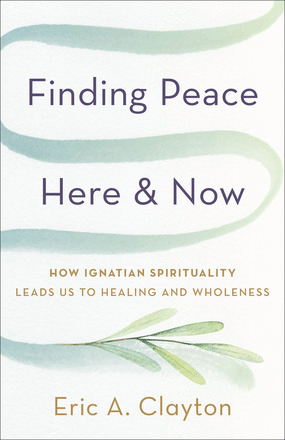
Finding Peace Here & Now: How Ignatian Spirituality Leads Us to Healing and Wholeness, by Eric A. Clayton The fun and prolific Eric Clayton released his third book this year, and I got to review it for the National Catholic Reporter. It’s not enough to wring our hands and pray for peace, Eric insists. “If peace is what we desire, then we need to practice it.” A generous writer, Eric provides many helpful suggestions for how to practice peace within ourselves so that we can extend it to others. GIFT THIS TO anyone who doesn’t like what today’s political climate is doing to their blood pressure.
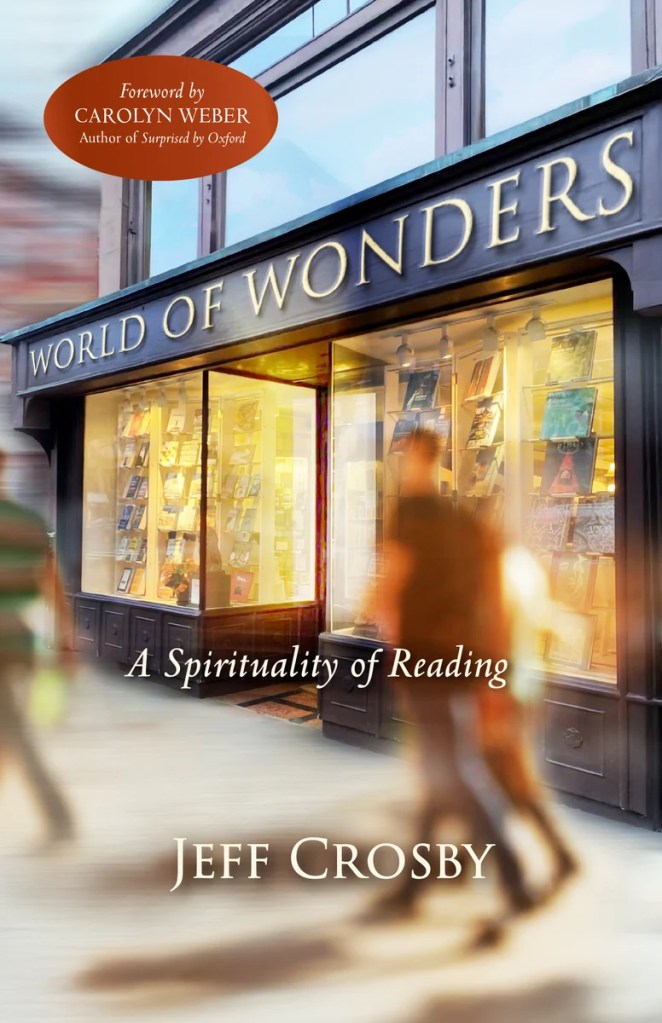
World of Wonders: A Spirituality of Reading, by Jeff Crosby Jeff (with whom I’ve enjoyed an epistolary friendship for several years) has written an intriguing memoir chronicling the intersection of his faith and his reading, including the evolution of his relationship with Scripture, poetry, and fiction. He identifies literature that has nourished him in various seasons of life, and provides carefully curated lists of works he has found helpful and we might too. GIFT THIS TO anyone who’d like 174 MORE book recommendations (I’m not even kidding) to enrich their spiritual life.
Common Ground: How the Crisis of the Earth is Saving Us from Our Illusion of Separation, by Eileen Flanagan Eileen is a good friend, and I’ve had the privilege of reading parts of this book in draft form ever since we went to the When Words Count retreat together in 2017. Common Ground takes readers on a journey to places where environmental disasters are being exacerbated by corporate interests and dishonesty. Yet this is not a “doom and gloom” book; Eileen interviews climate activists, spiritual leaders, and ordinary, warm-hearted citizens, all working together to banish our “illusion of separation” from one another and from the earth that gives us life. GIFT THIS TO anyone who wants to be better equipped to talk persuasively about the crisis facing our planet.
Together Through Reflection: Themes for Those Who Lead and Serve in Catholic Organizations, by Bridget Deegan-Krause For decades, Bridget has worked to equip mission-focused leaders for service. Designed as a resource for faith-based leaders to use with their teams, this accessible guide offers practical direction for producing an effective and prayerful reflection experience. (Now, there’s a book I wish I’d had during my years in campus ministry!) GIFT THIS TO anyone who works for a Catholic institution—especially if they are in a leadership role.
The Soul Also Keeps the Score: A Trauma-Informed Companion to the Spiritual Exercises of Saint Ignatius, by Robert W. McChesney, SJ Convinced by decades of work with traumatized individuals that a siloed approach to care undermines holistic recovery, my friend Rob brings spiritual and psychological insights to the table and insists that they have a conversation. The Soul Also Keeps the Score is part color commentary on the life and legacy of soul-wounded swashbuckler-turned-saint Ignatius of Loyola, part deep dive into cutting-edge research in trauma studies. In it, Rob navigates the turbulent waters among disciplines in the service of that most Ignatian of goals: to help souls. GIFT THIS TO anyone frustrated by the divide between psychology and religion.Bonus: Rob and I have begun offering retreats together; we’ll be at Cranaleith (Philadelphia) in January and Bellarmine (Chicago) in March!
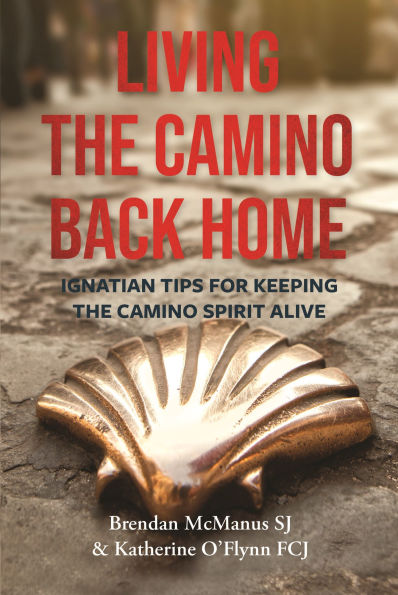
Living the Camino Back Home: Ignatian Tips for Keeping the Camino Spirit Alive, by Brendan McManus, SJ I first encountered Brendan through his wonderful book about the Ignatian Camino called The Way to Manresa, later discovering that most of his books have to do with the Camino de Santiago (Way of St. James). Based in Dublin, he spends time in Spain each summer, supporting pilgrims through the Camino Companions program. This little gem of a book provides valuable insight on how to sustain the transformative effects of a pilgrimage in everyday life. GIFT THIS TO anyone who returned from a pilgrimage asking, “Now what?”
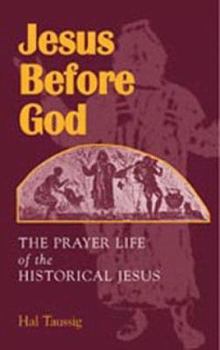
Jesus Before God: The Prayer Life of the Historical Jesus, by Hal Taussig In the late 90’s, I had the amazing experience of taking a few of Hal’s graduate classes at Chestnut Hill College. A Methodist minister and Scripture scholar, Hal opened the Bible for me like no one before or since. This imaginative portrait of Jesus at prayer is a palate-cleanser of a book, readying us for a fresh encounter with God. (Note: it may be out of print, but gently-used copies abound!) GIFT THIS TO anyone who’s intrigued by the notion of a “historical” Jesus.
That’s it for this year, friends. For more ideas, check out 2024 and 2023.
When Porter and I decided to take Via Rail across Canada, we had no doubt we’d enjoy ourselves. We love train travel, and the sleeper-car experience was a real “bucket list” item for each of us. I was a little worried about how I’d handle the absence of WIFI on the Canadian, but mostly I was just curious about the outer and inner journeys. Here’s what I discovered . . .
Large Vistas and Small Spaces
Canada is vast. The province of Ontario takes two days to traverse by train, with nothing but evergreens and lakes flying by the window. Manitoba and Saskatchewan come next, all prairies and farmland. Then it’s Alberta, gateway to the Rockies, which are so much bigger than my east coast existence prepared me for. Across Alberta then into British Columbia and down through Washington, we beheld forests, mountains, and even glaciers of enormous proportions. Everything was gorgeous. It was hard to peel my eyes away.
And yet, the snug scale of train life was also a pleasure. Even though we’d packed lightly for the extended trip, we could only bring into our compartment the things we absolutely needed on the train. Comfy clothes, in layers. A few books and crossword puzzles. Toiletries. Travel mugs. The compartment provided enough nooks and hooks for us to have a place for everything. It felt like a small private room in a (gently rocking) retreat house. We could venture over to the dining car, lounge car, and dome car, but that was the extent of our world for four days. I was blissfully content.
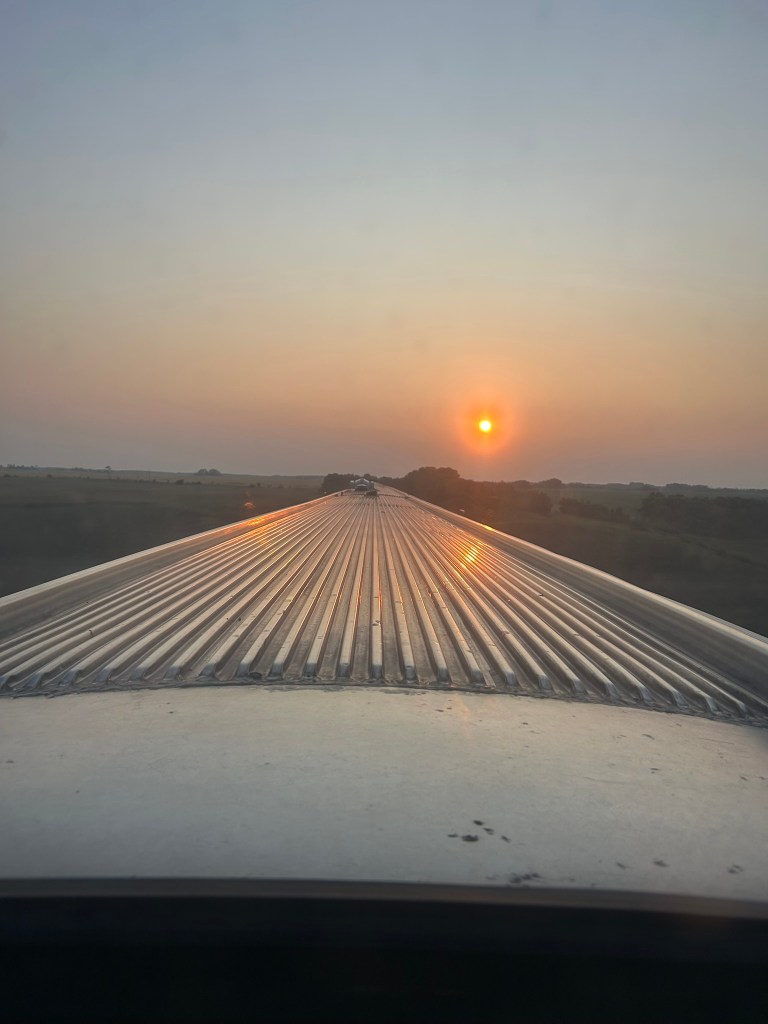
In my last blog post, I reminisced about mornings at the Jersey shore before laptops and smart phones, when “I’d rise first, slip out of our room, brew the coffee, head to the deck, pray and/or journal, then get comfortable with whatever novel I was reading. Presently, the sliding door would open and there would be Mom, coffee in one hand, novel in the other.” Mornings on the train were remarkably similar, except I’d take the thermos of coffee I’d prepped the night before to the darkened dome car and pray while watching the train’s headlights illuminate the landscape ahead. Presently, Porter would slide into the seat next to me so we could watch the sun transform the pre-dawn sky together. It was a beautiful reminder of God’s slow and steady work, even in the darkness of our lives.
Yesterday morning, I found myself missing the oddest thing: not having a laptop.
Let me explain. For more than thirty years, at least one morning in August has found me on the deck at my uncle’s beachfront condo in Wildwood NJ, drinking coffee and watching the sunrise. Yesterday was one of those days. I was resisting the pull of my devices, temporarily keeping at bay the emails to read, the editing to do, the blog post to write. In prayer, I let images of previous years on that deck wash over me, until I settled on a particularly fond memory: vacation mornings when my mom was still alive.
Wildwood Deck, circa ???
I’d rise first, slip out of our room, brew the coffee, head to the deck, pray and/or journal, then get comfortable with whatever novel I was reading at the time. Presently, the sliding door would open and there would be Mom, coffee in one hand, novel in the other. We’d talk a while, then sink into our books until the sun drove us back into the air conditioning.
Mom died in 2007, before everyone was schlepping their MacBooks to the shore, before anyone but the earliest adopters had a smartphone. Unless I brought some thinking to do, there was simply no such thing as working on vacation. What a luxury! Although I appreciate the flexibility of my freelance existence, the danger—as I’m sure you well know—is that work-from-anywhere easily morphs into work-from-everywhere, devouring the very notion of down-time.
That’s why I’m very excited about the week ahead.
Tomorrow, Porter and I fly to Ottawa to begin a bucket-list adventure: traveling across Canada by train. Picture a sleeping compartment, dining car, observation lounge, the works! There will be only one thing missing, I discovered as I read the fine print recently: there is no WIFI on the Canadian. I wasn’t going to be bringing my laptop anyway (in the interest of traveling light), and since international roaming is wicked expensive on my mobile plan, I’m just going to have to pass the time the old-fashioned way.
I’ll confess, I’m equal parts psyched and anxious. I’ve probably packed too many books; for months, I’ve been curating train-worthy paperback novels I can leave behind as I finish. (More, of course, are downloaded on my various book apps.) Should I choose to write instead of read, I have a notebook (the analog variety), plus I’ve saved the last several Sunday Times crossword puzzles. We have a deck of cards. There will be three meals a day, with people to meet across the table at each, and of course there’s the sleeping, but still . . . even if the train runs on time (which we are assured it will not), it’s a 96-hour, four-day journey without WIFI.
I can’t wait to tell you all about it . . . but I must! Stay tuned for stories from the far side.
May your own August days come bearing whatever graces you need.
I’m delighted to share that my review of Eric Clayton’s new book, Finding Peace Here and Now, has appeared in the National Catholic Reporter.
It is not enough to wring our hands and pray for peace, Clayton insists: “If peace is what we desire, then we need to practice it.”
How, then, does one practice peace? What are the repetitive, foundational movements that precede mastery — the spiritual equivalents of piano scales or basketball set shots? (Can I get two points for using a sports metaphor here?)
Whether we aspire to be peacemakers on the national or global stage, or (more likely) prefer the intimate theater of family, parish or neighborhood, we must first discover the way to peace in our own hearts. Clayton’s subtitle reveals his roadmap: How Ignatian Spirituality Leads Us to Healing and Wholeness.
From the Pew: June 8, 2025 Pentecost Sunday (John 20:19-23)
When I was in my thirties, my mother and I had a running disagreement about whether she should lock her screen door at bedtime. “The only person a locked screen door keeps out is a relative with a key!” I would insist—usually after spending way too long trying to get my parents’ attention on a Saturday morning before cell phones. But Mom could not be dissuaded. Although the home was secured by a lock and a German shepherd, flipping that little latch gave her a bit more peace.
One can’t blame the disciples for bolting the door after Jesus’ execution; as his followers, they were understandably terrified. And yet, just as Mom’s screen door was vulnerable to any two-bit burglar with a box cutter, the disciples’ barricade was not going to thwart anyone truly bent on doing them harm. Nor was it an obstacle for Jesus, who appeared in their midst and offered them peace.
But note what Jesus did not offer them: safety. He didn’t say, “You don’t have anything to be afraid of,” or “Nothing bad will ever happen to you.” Indeed, he did the opposite: showed them the brutal evidence of his crucifixion, then sent them forth as the Father had sent him. And we know that they went on to suffer for their faith, often meeting violent ends.
The fears that keep me up at night cannot be put to rest by even the strongest lock. Everyone I love will die—unless I beat them to it, which may also be no picnic. Untold hardships await us all. Fortunately, the peace Jesus bestows is not dependent on untroubled circumstances, but on our embrace of his Spirit’s abiding presence.
Fear locks the door, but Jesus walks right in. Will we accept peace on his terms?
Where were you when Pope Leo XIV was elected? How did you react? Busted Halo solicited a group of writers to answer that question in 300 words or less. Loving a tight word limit, here’s what I wrote:
“I assumed you were dead,” my brother said. What other explanation could there be for my silence following his 12:12 text (White Smoke!) and 1:16 follow-up (American Augustinian! Villanova grad!)?
Blame it on the weather. After five drizzly days in Maine — where my husband and I had come to ready our summer cottage for the season — the sun appeared and we plunged into garden cleanup, sans phones. I remember glancing at the Catholic church across the harbor, thinking, “If we get a new pope, I wonder if they’ll ring the bells?” (Apparently not.)
At 1:50, I wandered inside and discovered my blown-up phone. Calling my brother — a graduate of (then) Augustinian-run Msgr. Bonner High School outside Philadelphia — I got an earful about Pope Leo XIII and Catholic Social Teaching. Too much too soon! Where was the time machine that would whisk me back 98 minutes to watch the announcement in real time?
Oh, there it was, sitting on the kitchen table. I opened my laptop, pulled up YouTube, and watched David Muir and Fr. James Martin receive and react to the astounding news.
Since then, I’ve been riveted by a litany of personal connections to the new pontiff. My mother taught theology at Bonner for 25 years; there’s a photo of Fr. Prevost visiting during her tenure, which means Mom (now gone to God) probably met the pope. In college, he worked as a groundskeeper at the cemetery where my grandparents are buried. A friend at Merrimack met him several times. And don’t get me started on people from Chicago!
In Cherished Belonging, Fr. Greg Boyle writes about God as Meister Eckhart’s “Wild One.” Rather than simply trying to get butts in pews, Boyle insists, “this wild, astonishing God may have more spacious plans for us.”
I’m fastening my seatbelt.
You can read the rest of the essays here: Part I: Allison Bobzien, Fr. Evan Cummings, Laura Yeager, and Jennifer Sawyer Part II: Allison Beyer, Eric Clayton, Nora Kavanagh, Catherine Anne Sullivan, and John Dougherty
This week, I was thrilled to read Catherine Anne Sullivan’s take on Finding God Along the Way in the Englewood Review of Books. Besides being positive promo, it’s going to bring my book to the attention of people well beyond the reach of my usual target-audience circles.
Catherine’s writing is gorgeous, so enjoy that for its own sake! Click on her name to explore more of her work.
Here’s the review, entitled Reflections Centering on Presence:
Based in St. Louis, the Bridges Foundation provides ongoing formation in the Spiritual Exercises of St. Ignatius. I’m grateful to Steve Givens for this quick, fun chat about Finding God Along the Way.
And here’s Steve’s Lenten blog post, picking up where we left off!

















 Christine Marie Eberle